9 Facts About Drywall You Should Know
Drywall is one of the most widely used building materials in modern construction, forming the backbone of interior walls and ceilings in residential and commercial spaces. While it may appear simple, drywall involves a range of technical considerations that affect durability, aesthetics, and long-term performance. Understanding key facts about drywall can help property managers, contractors, and business owners make informed decisions when planning renovations or repairs.
Engaging a local drywall company for proper installation, finishing, and maintenance helps projects meet both functional and aesthetic goals. Skilled professionals have the experience and equipment necessary to handle drywall correctly, avoiding common pitfalls that can compromise structural integrity or visual appeal. This article explores essential facts about drywall that highlight why hiring a professional matters.
1. Understanding the Composition of Drywall
Drywall, sometimes called gypsum board, consists of a gypsum plaster core sandwiched between heavy paper layers. This design creates a lightweight yet durable panel suitable for walls and ceilings. Beyond its structural role, drywall also provides a smooth surface for painting, wallpapering, or other finishing treatments.
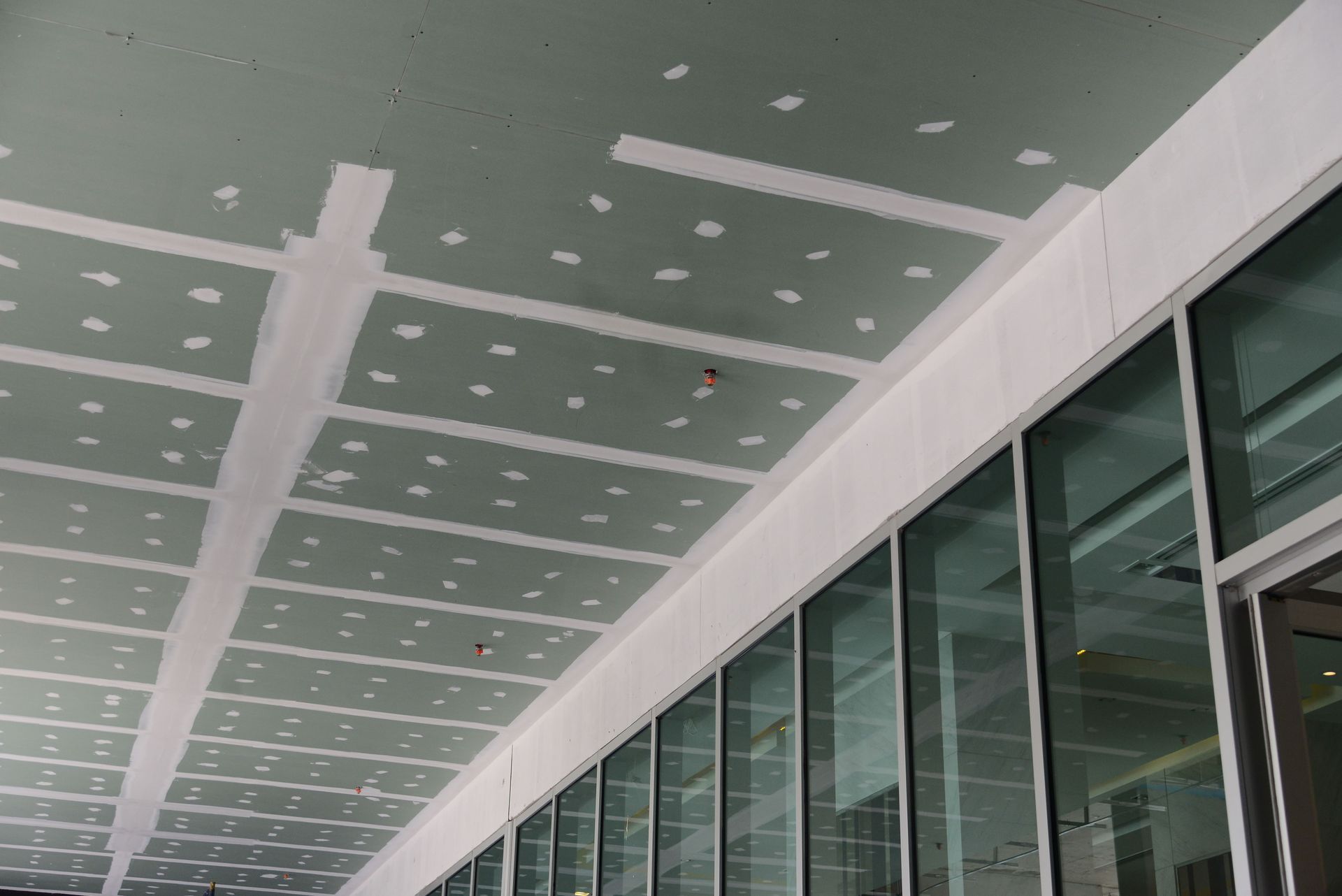
Different types of drywall exist for specialized applications. Moisture-resistant drywall, often green or blue-tinted, is suitable for bathrooms, kitchens, or areas prone to humidity. Fire-resistant drywall, commonly used in garages, utility rooms, or multi-family dwellings, meets building codes for safety in critical areas. Impact-resistant panels are also available for high-traffic zones in commercial or public spaces. A local drywall company can advise on the appropriate type for any project, ensuring compliance with both safety requirements and building codes.
2. Planning and Measuring Drywall Sheets
Accurate measurement and planning are crucial in drywall projects. According to This Old House, standard drywall sheets are four by eight feet, a total of 32 square feet. However, longer sheets are available for larger walls or ceilings, which reduces the number of joints and speeds up installation. Professional installers take precise measurements to minimize material waste, prevent gaps, and make sure panels are aligned correctly.
A local drywall company can calculate material requirements, factoring in wall height, layout complexity, and openings for doors, windows, and electrical outlets. Proper planning allows for the strategic placement of joints, which affects both the strength and visual smoothness of the finished surface. Additional planning includes considering insulation, soundproofing, and moisture control, which are often incorporated behind the drywall for optimal performance. Experienced professionals account for these elements to provide long-term durability and energy efficiency.
3. Addressing Drywall Installation Techniques
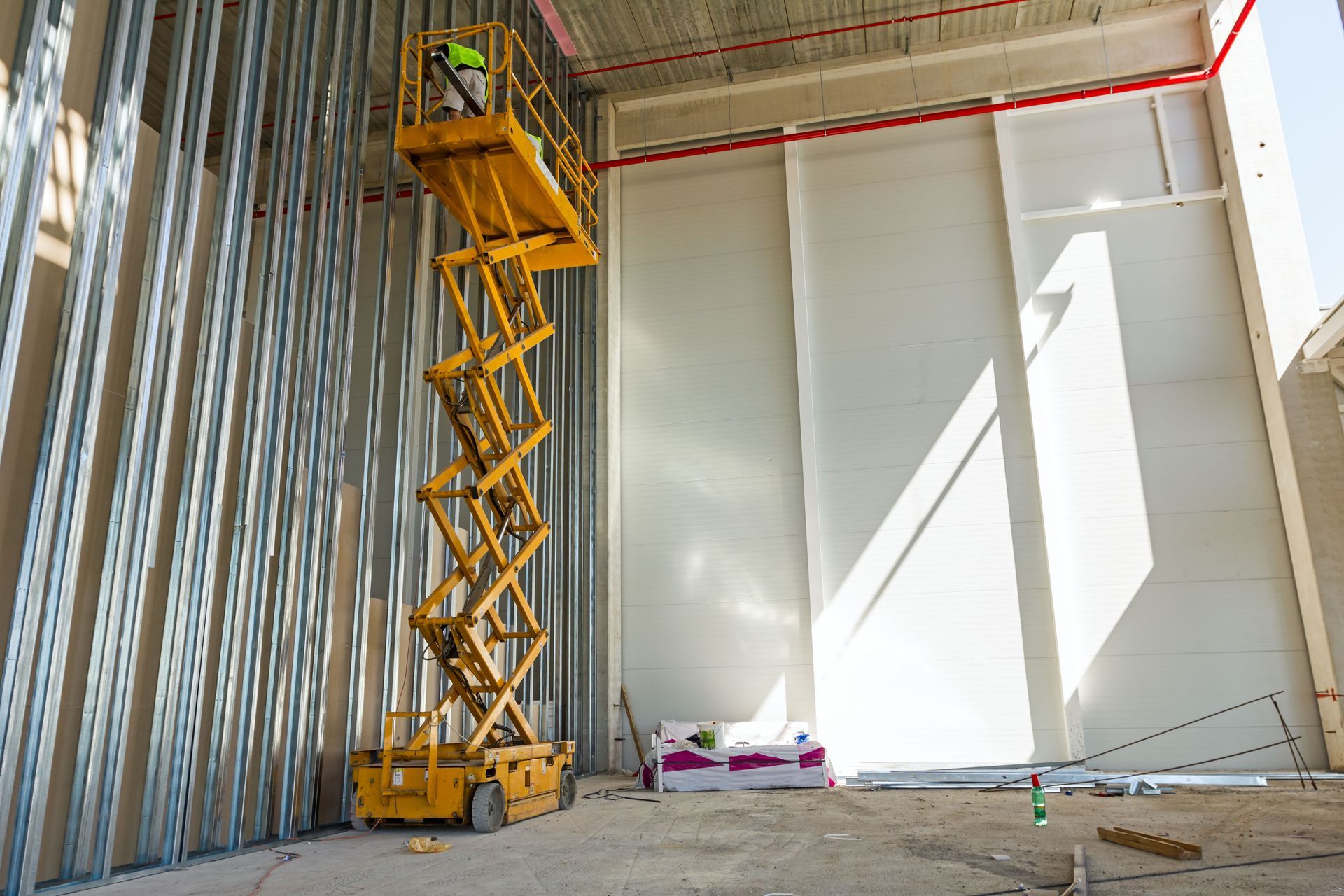
Drywall installation involves more than attaching panels to wall framing. Professionals use specialized tools, such as drywall lifts, T-squares, and screw guns, to secure sheets efficiently and safely. Correct installation prevents sagging, cracking, or uneven surfaces, which are common problems when panels are improperly aligned.
Techniques such as staggering panel seams, maintaining consistent screw spacing, and using corner beads for edges are critical to structural integrity. A local drywall company verifies these techniques are applied consistently, resulting in walls and ceilings that are both stable and visually smooth. Professionals are also trained to handle complex architectural features, such as vaulted ceilings, arches, or multi-room configurations, which require additional precision and skill.
4. Finishing and Taping Drywall Joints
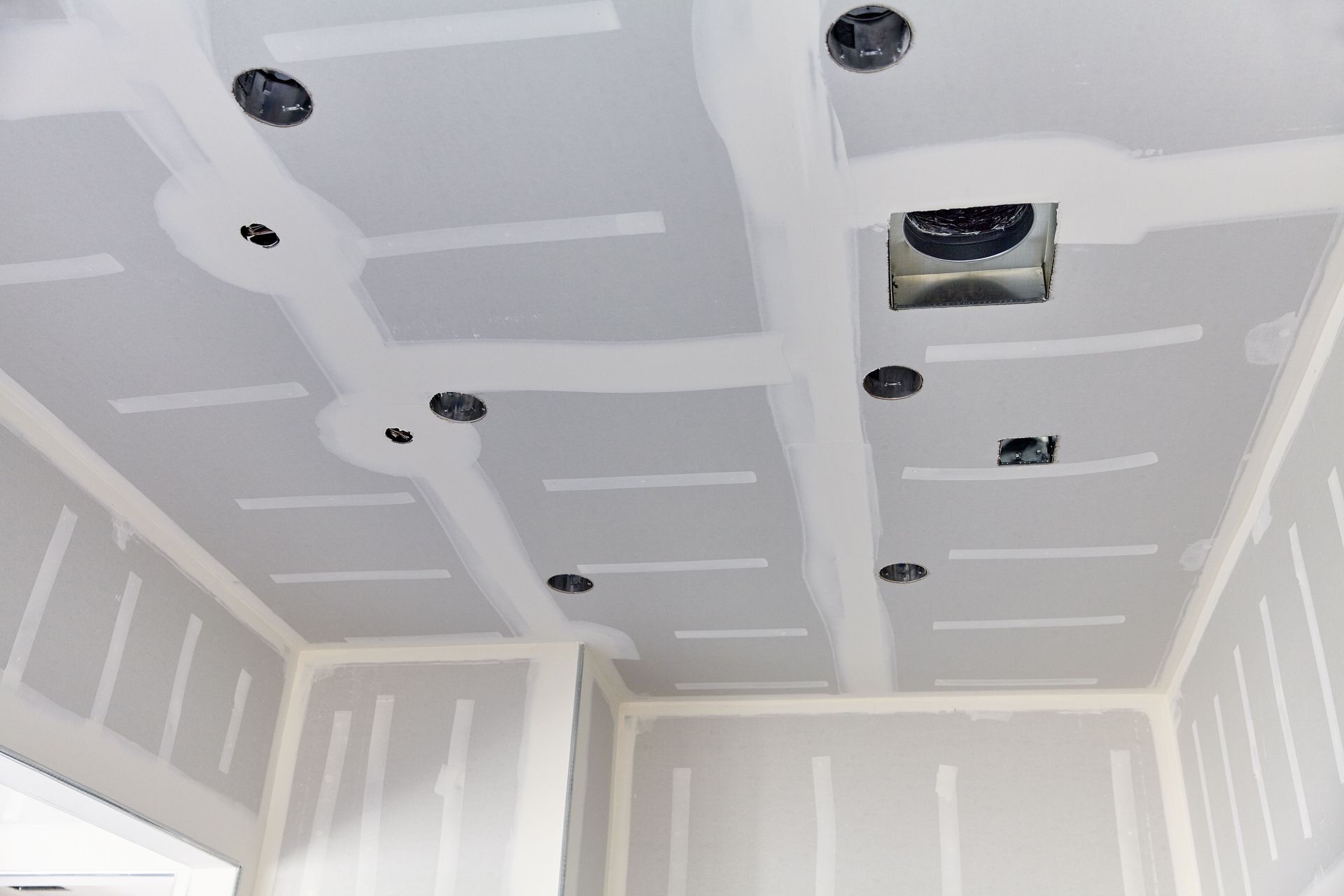
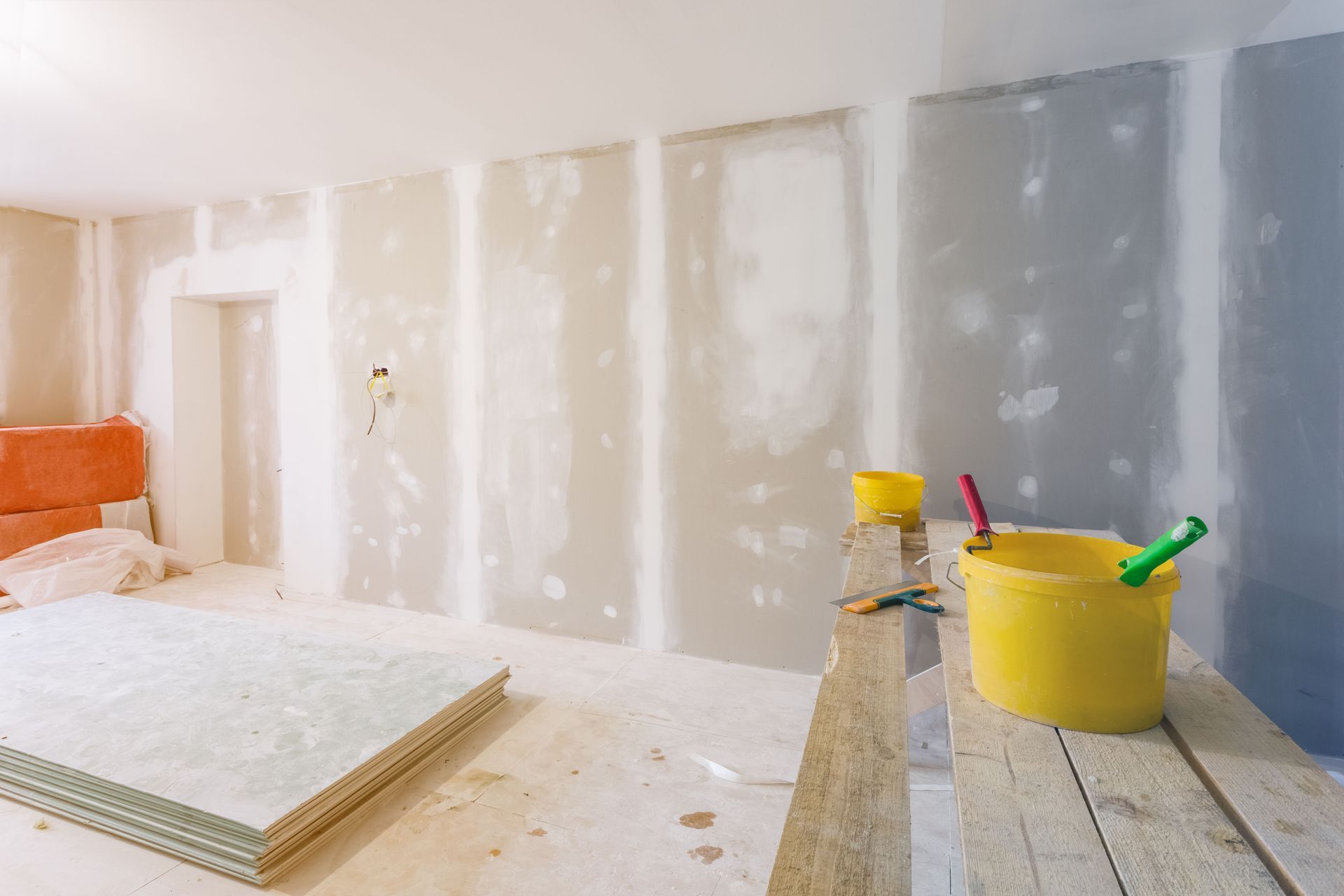
Once panels are installed, the finishing process is essential for a seamless appearance. Taping, mudding, and sanding joints create surfaces ready for paint, wallpaper, or other finishes. Improper finishing can result in visible seams, uneven textures, or cracks over time, reducing the durability and aesthetic quality of the space.
Professional drywall teams have the experience to apply multiple coats of joint compound, feather edges, and sand surfaces evenly. This allows them to make the walls and ceilings smooth and consistent, with no visible imperfections. Engaging a local drywall company guarantees that finishing meets high standards and that the final surface is ready for decorative treatments without requiring additional corrections.
5. Handling Specialized Drywall Applications
Some projects require specialized drywall installations, including soundproofing, fire-resistant barriers, or moisture-resistant panels. These applications demand precise material selection and installation methods to achieve the desired performance.
Soundproofing drywall, for example, requires specific thicknesses, insulation backing, or double-layer installation. Fire-resistant drywall must meet certain ASTM standards, and moisture-resistant panels need proper sealing to prevent water intrusion. Professionals from a local drywall company are trained to implement these specialized techniques correctly, ensuring that walls perform as intended and comply with all applicable building codes.
In addition, professionals can advise on combining different drywall types in a single project, such as using fire-rated drywall in a kitchen or utility area while maintaining standard panels in living spaces. This approach balances cost efficiency with performance and safety.
6. Inspecting Drywall for Structural and Visual Quality
Post-installation inspection is a critical step in drywall projects. Professionals assess surfaces for smoothness, uniform seams, and correct fastening, as well as potential weak points that could lead to sagging or cracking.
A local drywall company brings experienced eyes to the inspection process, identifying issues early and addressing them before final finishing. Inspections may include checking screw or nail depth, verifying joint alignment, and ensuring corner beads are straight. Proper inspection assures that the drywall meets structural standards and provides a flawless visual result that enhances the overall quality of the interior space.
7. Maintaining and Repairing Drywall
Even skillfully installed drywall can experience wear or damage over time. Dents, holes, and water damage are common problems that require professional repair to restore both structural integrity and aesthetics.
A local drywall company has the knowledge and tools to repair drywall efficiently, whether patching small holes or replacing full panels. Professionals match texture, paint, and finishing techniques to the original installation, creating a seamless appearance. Timely professional maintenance also prevents minor issues from developing into more serious structural problems, ensuring the longevity and safety of the walls and ceilings.
8. Managing Project Costs and Materials
Drywall projects involve careful budgeting, material selection, and labor planning. Miscalculations in sheet quantity, joint compound, or labor hours can increase costs and delay project timelines. Professionals calculate precise material needs and optimize labor allocation to reduce waste and improve efficiency.
A local drywall company can provide detailed cost estimates, helping property managers plan their budgets accurately while ensuring high-quality installation. Experienced contractors also account for contingencies such as wall repairs, electrical cutouts, or additional finishing, preventing unexpected expenses and keeping projects on schedule.
9. Complying with Building Codes and Safety Standards
Drywall installation must adhere to local building codes, fire regulations, and safety standards. Compliance affects both the functionality and legal standing of a building project. Professionals confirm that materials, installation techniques, and finishing methods meet all applicable regulations.
Working with a local drywall company guarantees adherence to codes and safety standards, preventing fines, delays, or costly rework. Contractors stay updated on evolving regulations and can advise on any special considerations for commercial, multi-unit, or residential projects, providing confidence that the finished walls are safe, durable, and compliant.
Drywall is more than a simple wall covering—it is a critical component of interior construction that requires careful selection, precise installation, and skillful finishing. From choosing the right panel type to ensuring seamless surfaces and compliance with building codes, every step benefits from a professional. Engaging a local drywall company guarantees projects are completed efficiently, safely, and with high-quality results that stand the test of time. For dependable drywall installation, finishing, and repair services, contact Wichita Rockers today!
Share On: