Why Drywall Is More Economical Than Plaster Walls
Drywall has become the standard wall system in modern construction for good reason. When property owners compare drywall to traditional plaster walls, the differences in cost, efficiency, and long-term performance are hard to ignore. While plaster still carries historic charm, drywall offers a practical balance of affordability, durability, and adaptability that suits today's commercial buildings. Understanding why drywall is more economical helps decision-makers plan projects more efficiently without sacrificing quality or performance.
Compare Material Costs Across Wall Systems
One of the most immediate advantages drywall offers over plaster is its affordability at the material level. Gypsum boards are mass-produced, widely distributed, and sold in standardized sizes, making them easy to source and budget for across projects of any scale. This consistency keeps prices stable and predictable, which is especially valuable in commercial construction where material overruns can disrupt timelines and costs. When paired with professional drywall services, the streamlined nature of these materials supports faster installations and tighter cost control. This predictability helps project managers plan with greater confidence.
Plaster materials, by comparison, require multiple components such as lath, bonding agents, and finishing compounds, all of which add layers of expense. These materials are often heavier and less standardized, increasing transportation costs and complicating storage and handling. Supply variability can also affect pricing, especially when specialized products are required. Over time, these added complexities make plaster a less economical option for projects focused on efficiency and scalability. Budget forecasting becomes more difficult as a result.
Evaluate Labor Requirements And Installation Time
Labor plays a major role in determining the total cost of any wall system. Drywall installation follows a consistent, efficient process that allows trained crews to work quickly and accurately. Panels are cut, secured, finished, and ready for paint in a relatively short timeframe, which reduces labor hours and minimizes jobsite congestion. This efficiency is one reason drywall services remain the preferred choice for projects operating under tight schedules. Faster turnaround often means fewer disruptions for other trades.
Plaster installation demands a much higher level of craftsmanship and patience. The process involves multiple layers, curing time between applications, and careful hand finishing. According to Bob Vila, because plaster requires more of a specialized skill than drywall installation and takes longer to complete, the labor alone will usually run about three times higher or more than drywall installation. That labor differential alone can significantly affect project budgets, especially on large-scale builds. Delays can also ripple into other phases of construction.
Assess Durability And Long-Term Maintenance
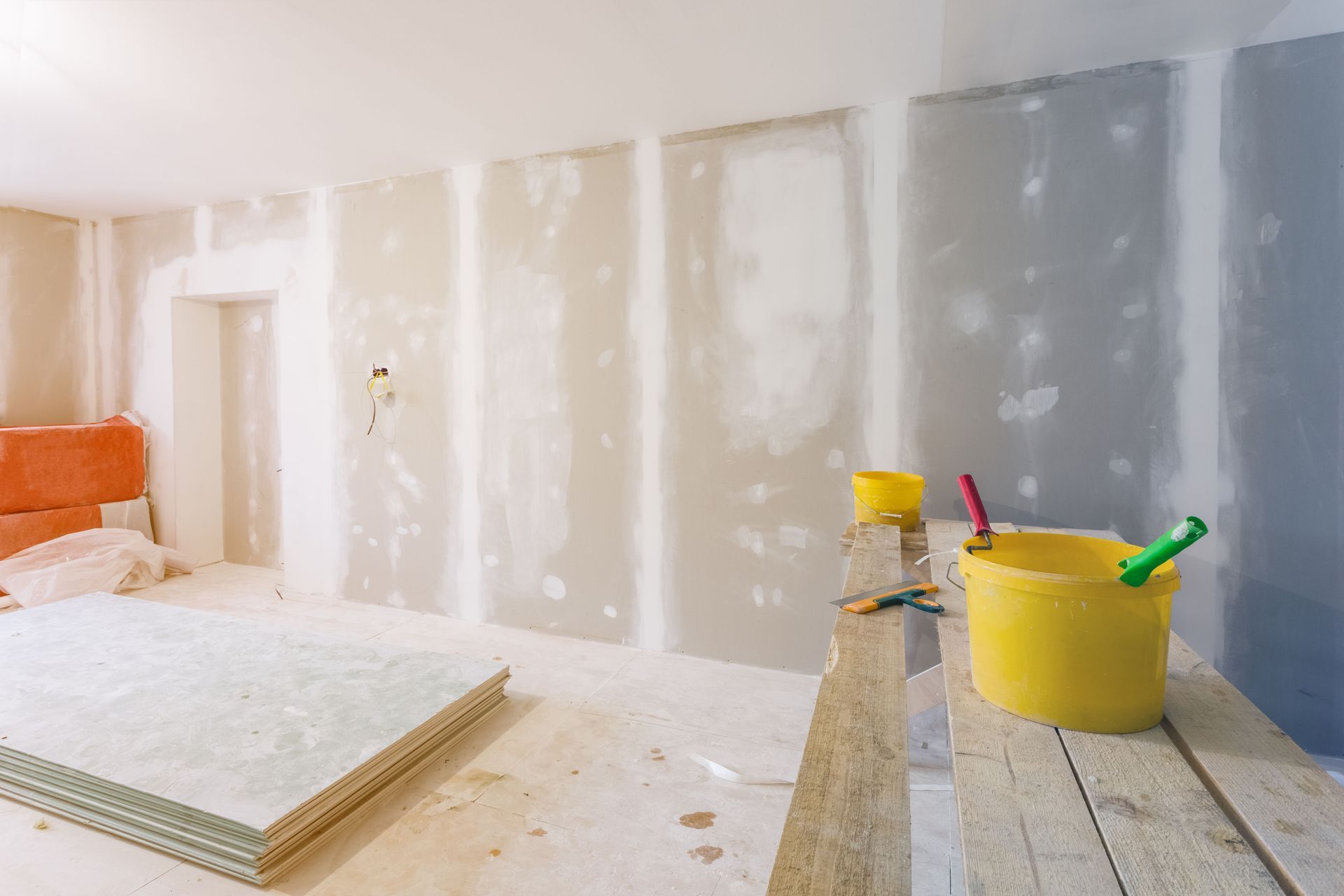
Modern drywall products have evolved well beyond basic gypsum boards. Today’s options include moisture-resistant, fire-rated, and impact-resistant panels that perform reliably in a wide range of environments. When installed correctly, drywall offers long-term durability with the added benefit of easy, low-cost repairs. Minor damage can be addressed without tearing into entire wall sections, which helps control maintenance expenses over time. This makes upkeep more manageable for property owners.
Plaster walls are known for their hardness and historic longevity, but repairs can be complicated and costly. Cracks, settling, or moisture damage often require specialized labor to restore properly. In commercial settings where walls experience frequent modifications or wear, plaster’s rigidity becomes a drawback rather than an advantage. Drywall services support adaptability, allowing spaces to evolve without excessive repair costs. Flexibility is often a deciding factor in modern builds.
Analyze Transportation And Handling Efficiency
Material logistics often go overlooked when comparing construction costs, but they can significantly impact the bottom line. Drywall’s lightweight, uniform panels are easier to transport, stack, and maneuver on job sites. This efficiency reduces handling time and minimizes the need for specialized equipment. Contractors can move materials quickly from delivery to installation, helping projects stay on schedule and within budget. Fewer logistical hurdles mean smoother operations overall.
Plaster materials are heavier, bulkier, and more sensitive to environmental conditions. Bags of plaster, sand, and lime require careful storage and handling, increasing labor and transportation costs. Any delays or mishandling can result in material waste, adding yet another expense. These logistical challenges make drywall services a more economical and predictable choice for fast-paced construction environments. Consistency becomes a clear advantage.
Review Workforce Availability And Training Needs
Another cost advantage drywall offers is workforce accessibility. Drywall installation skills are widely taught, and crews can be trained efficiently through standardized methods. This creates a large labor pool, which helps keep labor rates competitive and scheduling flexible. For developers and property owners, this availability reduces the risk of delays due to labor shortages. Reliable staffing supports smoother project timelines.
Plaster craftsmanship, on the other hand, relies on a shrinking pool of highly specialized artisans. Training takes years, and availability varies significantly by region. Limited access to skilled plaster workers can drive up labor costs and extend timelines. In contrast, drywall services benefit from a scalable workforce model that supports consistent pricing and reliable project execution. Scalability matters as projects grow in size.
Support Energy Efficiency And Acoustic Performance
Drywall contributes to energy efficiency by working seamlessly with modern insulation systems. Gypsum panels pair well with batt insulation, spray foam, and sound-dampening materials, helping regulate indoor temperatures and reduce energy consumption. These systems are easy to integrate during installation, supporting long-term heating and cooling savings for property owners. Energy efficiency is increasingly important in commercial design.
Acoustically, drywall also offers flexibility. Specialized panels and layered assemblies can significantly reduce sound transmission between rooms, making them ideal for offices, commercial buildings, and multi-unit properties. While plaster can provide sound mass, achieving comparable performance often requires additional materials and labor. Drywall services allow builders to meet both energy and acoustic goals without inflating costs. Balanced performance keeps projects efficient.
Balance Project Flexibility And Future Modifications
Modern buildings rarely remain static. Renovations, expansions, and layout changes are common over a structure’s lifespan. Drywall makes these transitions easier and more affordable by allowing walls to be modified, repaired, or replaced without extensive demolition. This flexibility supports evolving tenant needs and business growth without major reconstruction expenses. Adaptability protects long-term value.
Plaster walls are far less forgiving when changes are required. Alterations often involve extensive removal and specialized repair, increasing both labor and material costs. For commercial properties that value adaptability, drywall services provide a future-proof solution that aligns with changing functional demands while maintaining cost efficiency. Future planning becomes far less complicated.
Drywall continues to stand out as the more economical wall system because it balances affordability, efficiency, durability, and adaptability. From reduced labor costs and faster installation to energy performance and ease of maintenance, drywall supports both short-term budgets and long-term value. For property owners and developers looking to complete projects on time without sacrificing quality, drywall remains the practical choice.
If you’re planning a commercial project in Wichita or the surrounding areas, we’re here to help. At Wichita Rockers, we provide dependable drywall services backed by professionally trained technicians, fast-track scheduling, and a commitment to getting the job done right the first time. We understand how important timelines and coordination are on active job sites, which is why our team focuses on clear communication and on-time installations. Contact Wichita Rockers to talk through your project goals and see how our
drywall services can support an efficient, flexible, and cost-effective build from start to finish.
Share On: